
Practice of Selling Founder Shares as Soon as Lock-in Opens Poses Greater Risk Than 'Bhote Koshi Flood' in Secondary Market - Chairman Pandey
Ghanashyam Pandey, Chairman of the Nepal Shareholders Association, stated that the 'IPO farming' tendency of founder investors and weak regulatory oversight are the main causes of the market's current deterioration. He warned that the practice of selling founder shares as soon as the lock-in period ends poses a greater risk to the secondary market than the 'Bhote Koshi flood'.
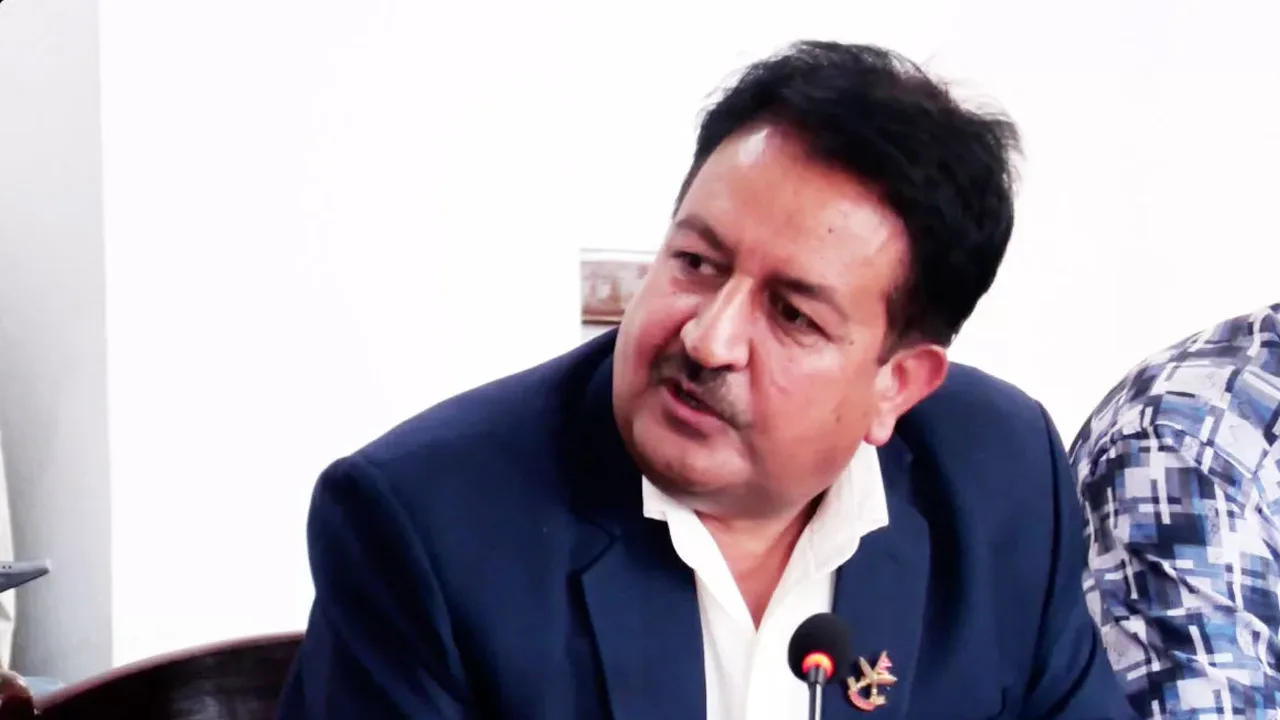
Ghanashyam Pandey, Chairman of the Nepal Shareholders Association, stated that the 'IPO farming' tendency of founder investors and weak regulatory oversight are the main causes of the market's current deterioration. Chairman Pandey said this while speaking at a meeting of the Finance Committee.
He drew attention to the flood of rights shares seen in the hydropower and manufacturing sectors and the supply management challenges it has created. Pandey commented that the practice of selling founder shares before the three-year lock-in period is completed or as soon as it opens poses a greater risk to the secondary market than the 'Bhote Koshi flood'.
Expressing dissatisfaction with the sluggishness seen in broker services, he said that facilities like margin lending and automation have not yet become practical for investors. He noted that despite the legal provision to receive a limit of 4 lakhs on a deposit of 1 lakh, investors are forced to struggle to obtain it in practice.
'We express our gratitude to the Ministry of Finance for the action plan it has put forward to make the secondary market of the capital market organized, transparent, and institutional. We also support the proposed directive of the Securities Board regarding IPO issuance. However, the continuous weakening of the secondary market and the decline in investor confidence are serious issues. The regulatory body must effectively monitor the tendency to influence prices by bringing limited shares to the market, the large-scale sale of promoter shares after the lock-in period ends, and the excessive supply of rights shares,' he said.
Rejecting the argument that the 10-unit policy has damaged the market, he defended it as a means to expand access for small investors. Emphasis was placed on the need for separate legal arrangements for investor protection, similar to the banking and insurance sectors, rather than viewing the market as gambling, and on the need to coordinate with stakeholders when formulating policies.