Plight of India's Four State-Owned Non-Life Insurers: Losses and Expense Ratio Soar
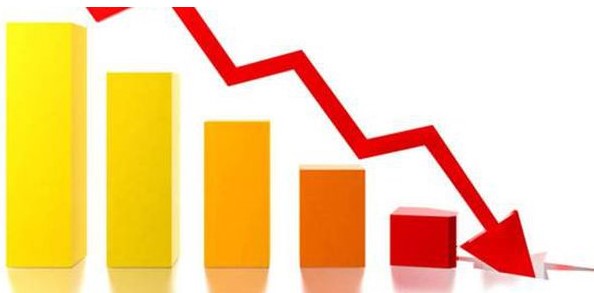
Despite higher premium income, India's four state-owned non-life insurance companies collectively posted a loss of **Rs 10,050 crore** in FY 2025-26, compared to a profit of **Rs 798 crore** the previous year. Their capital positions are weak, and they fail to meet the regulatory minimum solvency ratio. The government has directed them to submit plans to reduce losses.
Kathmandu. India's state-owned non-life insurance companies have reported significant losses despite an increase in premium income.
In fiscal year 2025-26, the four state-owned non-life insurers collectively incurred a loss of Rs 10,050 crore. In the previous year, 2024-25, they had earned a profit of Rs 798 crore. Consequently, these companies will have to submit plans to reduce their losses or close down their loss-making insurance business.
According to a report in The Economic Times, the plan will be developed with the approval of the board of directors. It will focus on enhancing financial efficiency, leveraging technology, and improving governance. The government will evaluate the progress of the plan's implementation.
According to government data, the total direct premium collection of these four companies in 2025-26 was Rs 1,02,568 crore. In the previous year, this figure was Rs 95,252 crore.
As per the data, National Insurance incurred a loss of Rs 2,534 crore, Oriental Insurance a loss of Rs 4,061 crore, and United India Insurance a loss of Rs 4,839 crore. New India Insurance, however, earned a profit of Rs 1,384 crore.
Nevertheless, in the second quarter of the current fiscal year 2026-27, New India Insurance also posted a loss. The company reported a net loss of Rs 1,267 crore in the three months from July to September, compared to a profit of Rs 63 crore in the same period last year.
One reason for the company's loss is the increase in insurance claim costs. The Supreme Court's ruling on compensation for motor vehicle accidents led to additional provisions of approximately Rs 715 crore. Furthermore, claims for significant property damage caused by floods also increased costs.
In the second quarter, the company's total expense ratio (including claims and other related expenses) stood at 156.2 percent. This means that for every Rs 100 of premium earned, approximately Rs 156 was spent.
The capital position of the other three state-owned companies is also weak. At the end of March 2026, the solvency ratios of National, Oriental, and United India were –1.11, 1.63, and 1.36, respectively.
The minimum ratio prescribed by India's insurance regulator, IRDAI, is 1.5. This ratio indicates whether a company has sufficient capital to meet insurance claims and other liabilities. A negative ratio signifies a large capital shortfall.
The losses in the core insurance business of these companies have increased because they have been unable to adequately set premiums for additional claim costs and risks.
In fiscal year 2025-26, the four companies incurred a total loss of Rs 29,071 crore, an increase of 58.3 percent compared to the previous year. However, due to investment and other income, their actual (final) loss is lower.
On September 2, the Indian Ministry of Finance reviewed the operations of these companies. At that time, they were directed to prioritize profitable businesses and reduce claim costs. The ministry stated that it will evaluate the operational progress of these companies every three months. –Agency