Opportunities in Risk Insurance and International Financing in the Insurance Sector
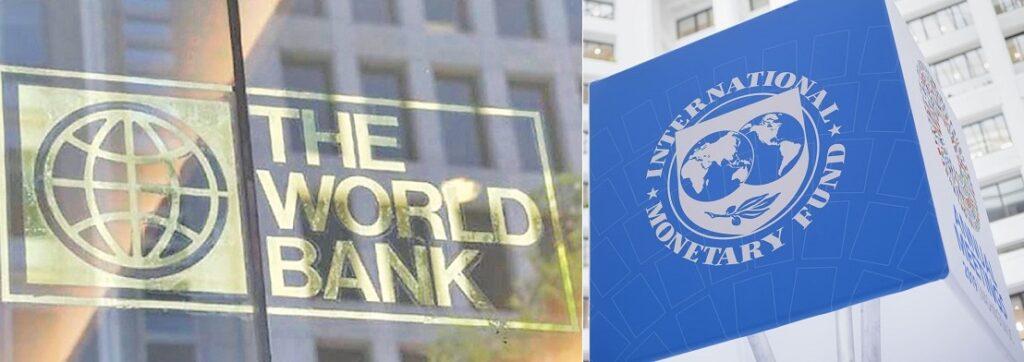
The international financial debate is focused on the effective use of insurance and reinsurance to address global financial risks, boost private investment, and manage disaster risk. The 2026 Annual Meetings of the IMF and World Bank Group, to be held in Bangkok from October 12–18, will present opportunities for new financing, risk transfer, and policy reforms.
Kathmandu. The international financial debate is focused on the effective use of insurance and reinsurance to address global financial risks, boost private investment, and manage disaster risk.
The International Monetary Fund (IMF) and the World Bank Group (WBG) are jointly organizing their 2026 Annual Meetings in Bangkok, Thailand, from October 12 to 18. The agenda includes boosting private investment, creating new financing opportunities, and generating employment. Discussions will also cover the role of capital markets in mitigating investment risk, local currency financing, financial stability, and policy reforms.
There is an opportunity to increase the use of insurance to address economic losses from disasters in countries affected by floods, cyclones, and climate change. If effective risk insurance can be implemented in agriculture, small businesses, housing, and infrastructure, it will be possible to provide immediate financial assistance to affected families and institutions after a disaster.
The World Bank Group's Crisis Preparedness and Response Framework provides opportunities to use disaster bonds, insurance, and other risk management products. This will reduce the immediate cost burden on the government when funds are obtained through the insurance system in the event of a disaster. It also aims to share the risk of major catastrophes through international reinsurance and capital markets.
The Multilateral Investment Guarantee Agency (MIGA), a subsidiary of the World Bank Group, manages a guarantee system against certain risks for foreign investment. Such a mechanism can help reduce the risk of eligible investment projects and attract private capital.
The expansion of digital services in the insurance sector is also necessary, including customer information security, claim verification, and fraud prevention. With the increasing use of technology, there is an opportunity to make policy verification, premium collection, and claim payment processes more transparent.
Furthermore, it is necessary to strengthen the regular audit system for companies' financial reporting, liabilities, asset information, and reinsurance. This will enable regulators to quickly identify weak companies and take timely action to protect customer interests.
Developing such technical capabilities could be an important area for potential international financial support. However, merely implementing technology is not enough; ensuring data accuracy, independent audits, and effective measures against regulatory violations is also necessary.
In discussions with the World Bank, IMF, and other relevant international institutions, it is important to distinguish between financing, technical assistance, and policy reform. The discussions at the Annual Meetings could be an opportunity to gain experience and support for these reforms. –Agency