
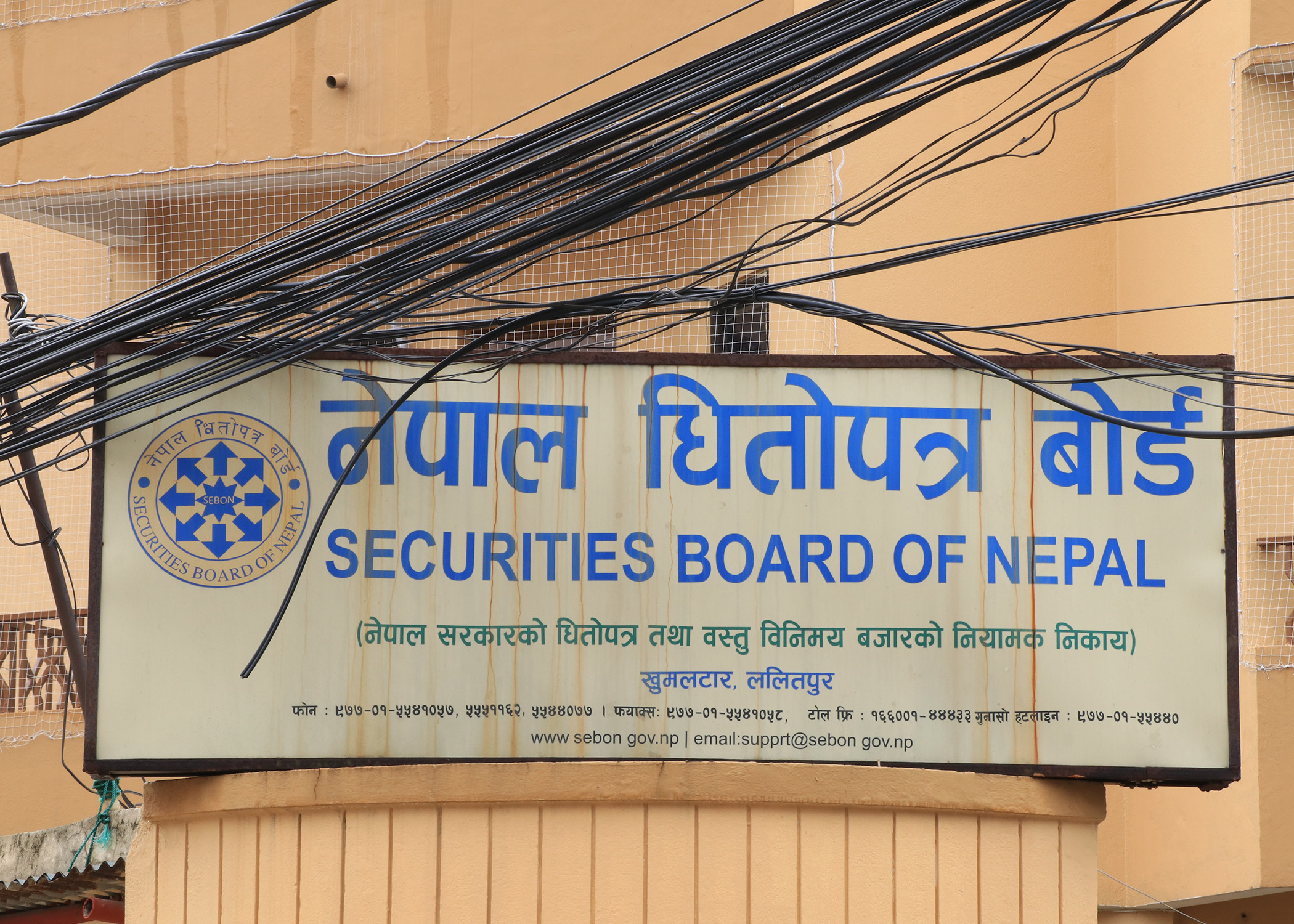
Nepal Securities Board Prepares Draft of 'General Eligibility for Public Offering Directive, 2083'
The Nepal Securities Board has prepared a draft of the 'General Eligibility for Public Offering Directive, 2083' with the aim of making the capital market transparent and secure. This directive sets strict financial, corporate governance, and transparency standards for companies wishing to issue IPOs.
The Nepal Securities Board has prepared a draft of the 'General Eligibility for Public Offering Directive, 2083'. The Board prepared this directive using the authority granted by Section 118 of the Securities Act, 2063, with the objective of making the capital market transparent, secure, trustworthy, and sustainable.
The directive includes new eligibility criteria for organized institutions wishing to issue shares (IPOs) to the general public in the capital market. According to the directive, an institution seeking to make a public offering must be registered under prevailing laws, have obtained a business license, have operated its business according to its main objective, and have completed at least one audit and annual general meeting.
The institution must have a clear plan for the use of funds obtained from the public offering, approved by the general assembly. Similarly, the institution must operate its own official website and disclose audited financial statements for the past 3 years, future plans, the qualifications and experience of directors and the chief executive officer, and their percentage of share investment. A rule has also been set that after applying for a public offering, the capital structure cannot be changed without the Board's approval.
In terms of financial eligibility, the company's net worth per share must not be less than the paid-up value per share. Financial statements must be prepared in accordance with Nepal Financial Reporting Standards (NFRS) or designated recognized accounting standards and audited by an independent auditor. If the auditor has given an adverse opinion, refused to give an opinion, or expressed serious doubt about the going concern of the business, approval for the offering may be rejected. In addition, there must be income from actual business transactions and organized cash flow, and taxes and other financial obligations must be paid or provisioned according to legal provisions.
Likewise, it is mandatory for institutions going for public offering to have transparent and accountable corporate governance. An independent director must be mandatorily appointed to the board of directors, who will work to protect the interests of general investors. Necessary committees such as audit and risk management must be formed within the company, and qualified officials must be appointed to key positions such as Chief Executive Officer, Chief Financial Officer, Company Secretary, and Compliance Officer. The company must certify its corporate governance status and submit a report to the Board.