
Nepal Government to Curb Indiscriminate Power Purchase Agreements, Citing Economic Risks
Nepal's government will no longer sign electricity purchase agreements indiscriminately, citing risks to the national economy. Energy Minister Biraj Bhakta Shrestha said future PPAs will be based on demand, consumption capacity, transmission infrastructure and market requirements, with a need-based framework and RCOD decision expected next week.
The government has decided not to enter into electricity purchase agreements (PPAs) indiscriminately, citing potential risks to the national economy.
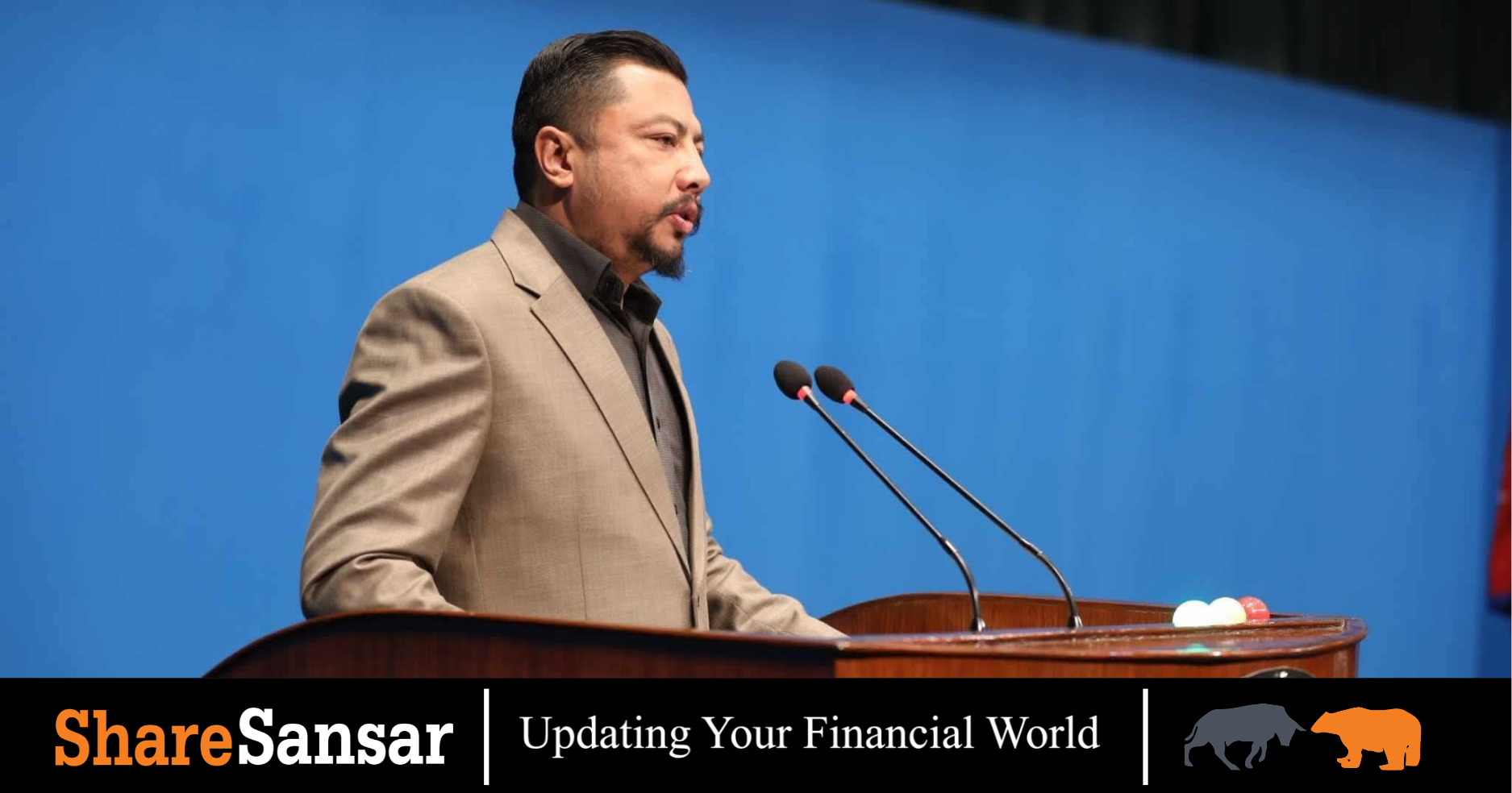
Energy, Water Resources and Irrigation Minister Biraj Bhakta Shrestha said PPAs would be based on electricity demand, consumption capacity, transmission infrastructure and market requirements. He warned that signing PPAs without ensuring markets for the generated electricity could create financial burdens for the government, private developers and the public.
He said the government has completed preliminary preparations for a need-based PPA framework, while a decision on the Required Commercial Operation Date (RCOD) is expected next week.
Minister Shrestha said the government is also working to attract private investment in transmission infrastructure, as the state alone cannot finance transmission expansion every year.
Transmission projects have started adopting the public-private partnership (PPP) model, with wheeling charges expected to improve their bankability. Projects under the Build-Own-Operate-Transfer (BOOT) model could operate for up to 25 years, creating long-term investment opportunities.
The government is also preparing a national transmission master plan, under which projects will be awarded through transparent and competitive processes.
Shrestha said the government also plans to promote electricity trading after completing the necessary legal framework, which would help balance generation, transmission and consumption and support more systematic PPA decisions.