
Iran Vows to Block US Warships from Persian Gulf as Hormuz Tensions Escalate
Iran's armed forces chief of staff declared that US military ships will never be permitted to enter the Persian Gulf, as Washington and Israel intensify threats of renewed strikes. Tehran has restricted traffic through the Strait of Hormuz since February 28, prompting a US counterblockade and reports of tankers hitting mines in the strategic waterway.
TEHRAN, Oct 24 — Iran declared on Saturday that US military ships would never be allowed to enter the Persian Gulf "under any circumstances," with a senior commander saying President Donald Trump will "take that dream to his grave."
The remarks came amid mounting US and Israeli threats of renewed attacks on Iran. Tom Barrack, the US ambassador to Turkey, warned that Washington could "absolutely" strike Iran as soon as this weekend.
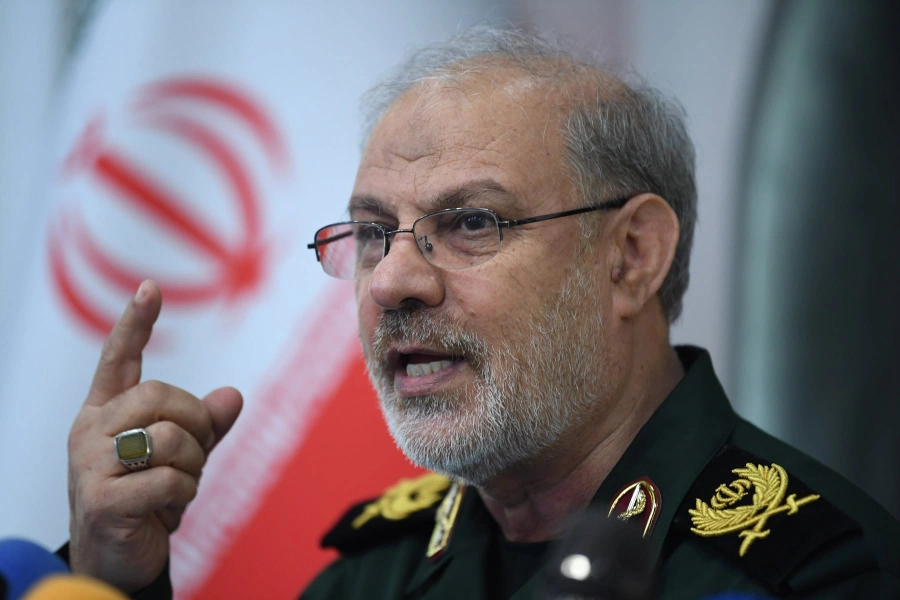
"We will not allow US military ships in the Persian Gulf under any circumstances and at any time," said Ali Abdollahi, chief of staff of Iran's armed forces, according to Iranian state television.
"The US president must dream of seeing the armed forces enter the Persian Gulf. He will take that dream to his grave."
Iranian forces have restricted traffic through the Strait of Hormuz — a vital energy conduit and gateway to the Gulf — since the war with the United States broke out on February 28. In retaliation, the United States has imposed a counterblockade on Iranian ports and ships.
Tehran has required vessels to seek permission to transit the strait and has repeatedly targeted ships attempting to pass through Hormuz via a southern route close to the Omani coast.
According to the Revolutionary Guards, several tankers attempting to transit Hormuz through the route Tehran considers "illegal" were hit by mines in recent days.
On Friday, the Guards said two supertankers carrying more than 4.5 million barrels of crude oil had been abandoned at sea after hitting mines in the strategic waterway.
"Their engine rooms were disabled by an explosion and a fierce fire," the Guards said in a statement carried by their Sepah News website.
In peacetime, around a fifth of the world's oil and gas passed through Hormuz, underscoring the waterway's critical role in global energy markets.