
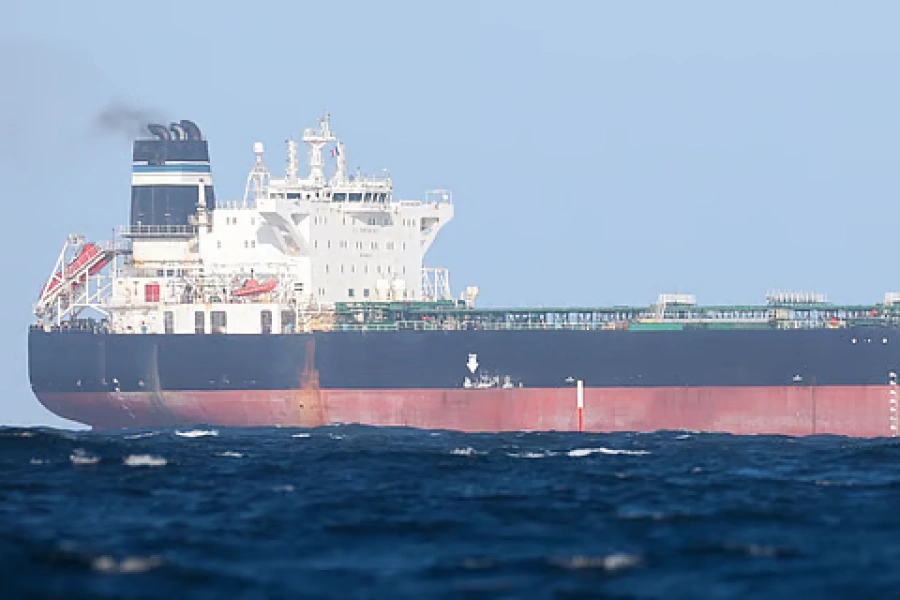
Iran Proposes Reopening Strait of Hormuz Within Seven Days Under New Plan
Iran has submitted a proposal to the United States to end hostilities and reopen the Strait of Hormuz within seven days, contingent on the release of frozen assets worth at least $12 billion and the lifting of sanctions. The plan, disclosed by Foreign Minister Abbas Araghchi in New York, awaits a US response amid conflicting reports and a prior failed memorandum of understanding.
NEW YORK, Sept 25 — Iran has submitted a proposal to the United States to end their war and reopen the Strait of Hormuz within seven days, its foreign minister told media outlets in New York.
"If certain conditions are met, the strait will be open within seven days and talks will start," Abbas Araghchi, who is in the US for the UN General Assembly, told media outlets including the New York Times and The Guardian.
Japanese news agency Kyodo was the first to report the proposal, citing a senior Iranian official on Tuesday. However, Iranian media denied the Kyodo report, while authorities in Tehran have not clarified their position.
Araghchi also met for talks on Tuesday with US President Donald Trump's envoy Steve Witkoff.
Key Conditions of the Plan
According to Araghchi, as quoted by the New York Times, the latest plan calls for:
- A cessation of all hostilities in the Middle East for seven days, including in Lebanon
- The release of frozen Iranian assets estimated to be worth at least $12 billion
- The lifting of sanctions on Iranian oil
- An end to the US naval blockade of Iran
On the seventh day of the truce, Iran would reopen Hormuz.
Araghchi said he was waiting for a US response to the plan and maintained that China supported the proposal. Chinese President Xi Jinping is visiting the United States this week, where he is meeting with Trump for talks.
Hossein Mohebi, a spokesman for the Revolutionary Guards, the ideological arm of Iran's military, told AFP in an exclusive interview on Tuesday that ending hostilities in Yemen was also among Tehran's demands.
A Fragile Diplomatic History
The US and Iran signed a memorandum of understanding in June that aimed to end the war, reopen the strait and launch talks on Iran's nuclear programme. But the deal broke down shortly afterwards when Iran fired on commercial ships in Hormuz that it accused of deviating from its approved route through the waterway.
Iran requires ships to obtain authorisation before passage, citing security and sovereignty reasons. Ships that refuse to comply are regularly targeted, while the United States sporadically bombs Iranian coastal areas in retaliation.