
Inflation Hits 1.5-Year High: CPI Reaches 5.96% in Saun, Foreign Exchange Reserves Remain Robust
Consumer price inflation in the first month of the current fiscal year (Saun) surged to 5.96%, marking a 1.5-year high. According to Nepal Rastra Bank's report, food inflation rose significantly driven by sharp price hikes in ghee, oil, fruits, and vegetables. However, the economy's external sector remains resilient, with gross foreign exchange reserves strengthening to NPR 3,946.23 billion.
According to the macroeconomic and financial report for the first month (Saun) of the current fiscal year 2083/84 released by Nepal Rastra Bank, inflation in the country has surged sharply. Consumer price inflation reached 5.96% during the review period, marking the highest level in the past one and a half years. Previously, inflation had touched 6.05% in Mangsir 2081. In comparison, inflation stood at a modest 1.68% during the same period last year.
During the review month, food and beverage group inflation stood at 6.77%, while non-food and service group inflation reached 5.52%. In Saun of the previous year, food and beverage group inflation was negative at 2.28%, whereas non-food and service group inflation was 3.95%.
Under the food and beverage category, significant price increases were recorded in the following sub-groups:
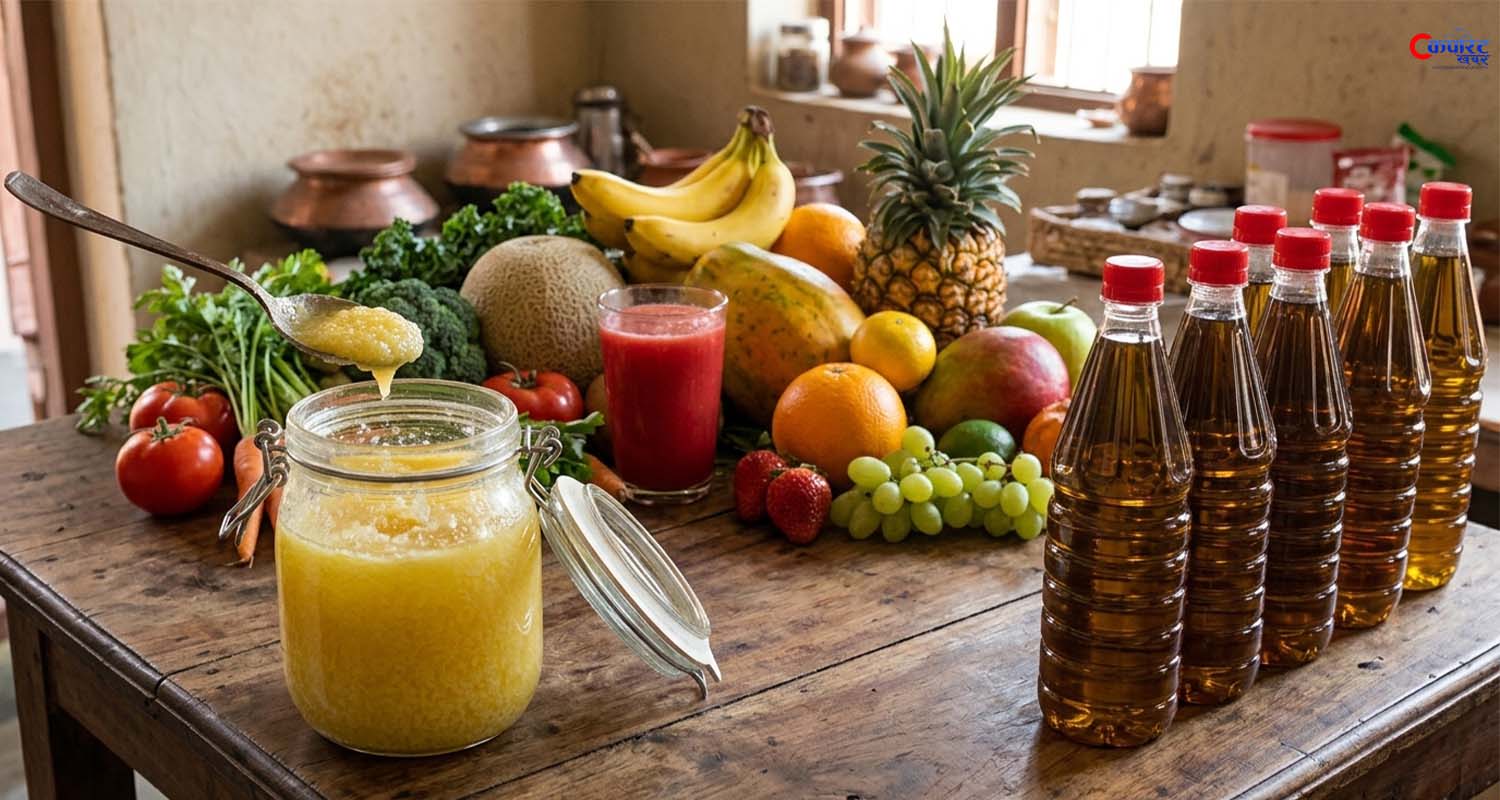
- Ghee and oil: 15.62%
- Fruits: 15.39%
- Fish and meat: 8.65%
- Vegetables: 6.90%
- Spices: 4.80%
Despite rising domestic inflation, the country's external economic sector has strengthened further. According to the central bank, total foreign exchange reserves climbed to NPR 3,946.23 billion (USD 25.84 billion). This reserve level is sufficient to cover 18.8 months of merchandise and services imports. Additionally, during the review period, the current account recorded a surplus of NPR 94.59 billion, and the balance of payments (BoP) remained in a surplus of NPR 90.34 billion.