
Floods Cripple 200 MW of Hydropower Generation and Damage Transmission Infrastructure in Nepal
Heavy rainfall, floods, and landslides have damaged key transmission towers along Nepal's Kaligandaki Corridor, disrupting around 200 MW of hydropower generation. Multiple hydropower projects have been forced to halt operations, and the NEA is struggling to restore supply amid blocked roads and difficult access.
Floods Disrupt Power Generation and Damage Transmission Infrastructure
Heavy rainfall, floods, and landslides have damaged power transmission structures across several parts of Nepal, disrupting approximately 200 megawatts (MW) of electricity generation connected to the Kaligandaki Corridor.
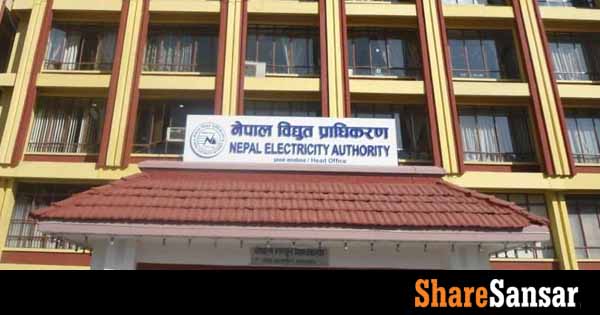
According to the Nepal Electricity Authority (NEA), towers numbered 21 and 22 of the 220 kV Kaligandaki Corridor transmission line — running between Dana in Myagdi and Kusma in Parbat — have been damaged. A fault has also been reported on the Kusma–New Butwal section, making it difficult to transmit electricity generated by hydropower projects connected to the corridor.
Hydropower Projects Halted
The floods have also affected several hydropower projects. Power generation has been halted at the following facilities, among others:
- 140 MW Kaligandaki
- 25 MW Upper Madi
- 44 MW Super Madi
- 20 MW Namarchun Madi
- 40 MW Seti River
- 25 MW Upper Dordi
- 50 MW Upper Marsyangdi
- 70 MW Middle Marsyangdi
- 69 MW Marsyangdi
Rahughat Project Damaged Days After Grid Connection
Meanwhile, the 40 MW Rahughat Hydropower Project in Myagdi has suffered flood damage less than a week after it was connected to the national electricity system. Flooding in the Kaligandaki River on Sunday morning washed away a transmission line tower and damaged a protective wall at the project. A technical team has been deployed to assess the damage and begin restoration work.
Nationwide Damage to Electricity Infrastructure
The NEA said floods, landslides, strong winds, and lightning have also damaged electricity structures across the country, including transmission and distribution lines. Repair teams have been sent to affected areas, while alternative routes are being used where possible to restore electricity supply.
NEA Executive Director Dirghayu Kumar Shrestha said access to some affected areas remains difficult due to damaged and blocked roads. More technical teams will be deployed once road access improves. The NEA has also urged the public to stay away from damaged electricity structures, fallen poles, and wires for safety.