
60 Countries Unite Against Toll Collection in Hormuz, Strong Warning on Maritime Restrictions
Sixty countries have united against transit fees and restrictions in the Hormuz maritime route. In a joint declaration led by the European Union, they have urged keeping international sea lanes open and preventing unilateral obstructions. Iran's toll plan has raised concerns over global oil and LNG supplies.
Kathmandu — 60 countries have united against the imposition of fees on shipping through the world's critical maritime routes. Following the initiative of the European Union (EU), these countries have opposed illegal fees and restrictions on vessels transiting the Hormuz maritime route.
The declaration issued on October 12 was supported by many EU member states, including Australia, Japan, and the United Kingdom. These countries stated that they must work together to maintain safe and unimpeded navigation through international sea lanes.
The declaration clearly states that vessels transiting international maritime routes should not be subject to fees that impede their movement. The countries opposed the following:
- Illegal fees
- Discriminatory restrictions
- Requirements such as prior permission
Kaja Kallas, the EU's foreign policy chief, announced this initiative. Its objective is to keep maritime routes open under international law and to prevent unilateral actions by any country that obstruct shipping.
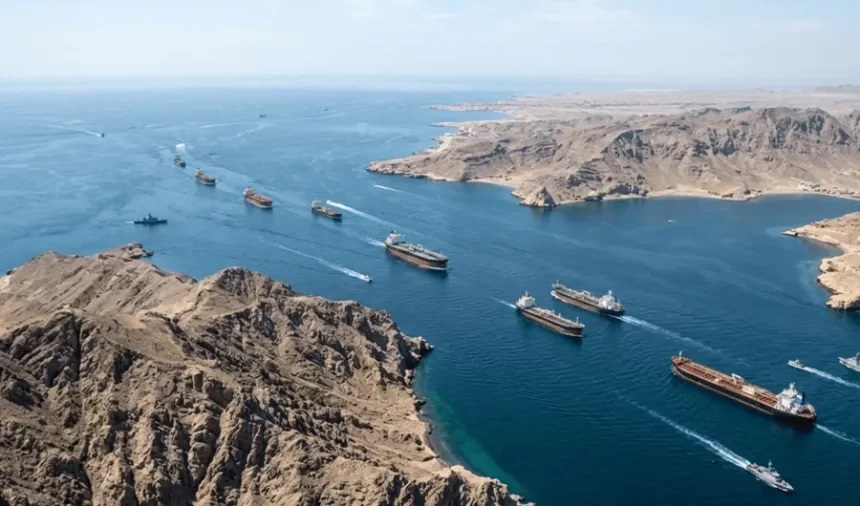
Hormuz is a vital maritime route between Iran and Oman. Oil and natural gas from the Gulf region pass through it to various countries around the world. Before the war began, nearly one-fifth of the world's oil and liquefied natural gas (LNG) passed through this route.
Iran has proposed a plan to charge vessels passing through Hormuz for navigation, security, and other services. This proposal has raised concerns about international maritime trade and shipping.
Restrictions or additional fees on maritime routes can increase freight costs. This can also affect oil and gas supplies, trade, and commodity prices. For this reason, those 60 countries have emphasized the need to keep maritime routes open and adhere to international rules. It now remains to be seen how countries will implement this joint declaration to sustain maritime transport. –Agency